

The Art of Crafting Artisan Soap Techniques
There’s something truly magical about holding a bar of soap that’s been lovingly handcrafted. It’s not just soap; it’s a piece of art, a labor of love, and a nod to nature’s purest ingredients. If you’ve ever wondered what goes into making these beautiful bars, you’re in for a treat! Today, I’m diving deep into the world of artisan soap, sharing everything from crafting artisan soap techniques to what makes these soaps so special. Ready to get your hands a little soapy? Let’s go!
Exploring Crafting Artisan Soap Techniques
Crafting artisan soap is a blend of science, creativity, and passion. Unlike mass-produced soaps, artisan soaps are made in small batches with natural ingredients, often sourced locally or organically. The process starts with selecting the right oils and butters—think olive oil, coconut oil, shea butter, and cocoa butter. These ingredients not only cleanse but also nourish your skin.
One of the most popular methods is the cold process technique. This involves mixing oils with a lye solution, which triggers saponification—the chemical reaction that turns oils into soap. The mixture is then poured into molds and left to cure for several weeks. This curing time is crucial as it allows the soap to harden and the pH to balance, making it gentle on your skin.
Another technique is the hot process, where the soap mixture is cooked, speeding up saponification. This method produces soap that can be used sooner but often has a more rustic texture. Both methods allow for endless customization with natural colorants like clays and botanicals, and essential oils for fragrance.
Why Small Batches Matter
Small batches mean more control over quality. Each batch can be tailored with unique scents, textures, and ingredients. It also means less waste and a smaller environmental footprint—something I’m personally passionate about. When you buy artisan soap, you’re supporting sustainable practices and often local artisans who care deeply about their craft.

What Makes a Soap Artisan?
You might be wondering, what exactly sets an artisan soap maker apart from a regular soap producer? It’s all about the heart and hands behind the product. An artisan is someone who:
Values quality over quantity: They focus on small, carefully crafted batches.
Uses natural, often organic ingredients: No harsh chemicals or synthetic fragrances.
Pays attention to detail: From the texture to the scent, every element is thoughtfully chosen.
Embraces creativity: Each bar is unique, often featuring beautiful swirls, layers, or embedded botanicals.
Is committed to sustainability: Eco-friendly packaging and ethical sourcing are key priorities.
Being an artisan means more than just making soap; it’s about honoring tradition while innovating with new techniques and ingredients. It’s a craft that requires patience, skill, and a genuine love for natural beauty.
Ingredients That Make Artisan Soap Shine
The magic of artisan soap lies in its ingredients. Unlike commercial soaps that often strip your skin of moisture, artisan soaps are packed with nourishing oils and butters. Here are some staples you’ll find in most artisan recipes:
Olive Oil: Gentle and moisturizing, perfect for sensitive skin.
Coconut Oil: Adds lather and cleansing power.
Shea Butter: Rich in vitamins, it deeply hydrates and soothes.
Castor Oil: Boosts foam and adds a creamy texture.
Essential Oils: Natural fragrances like lavender, peppermint, and eucalyptus.
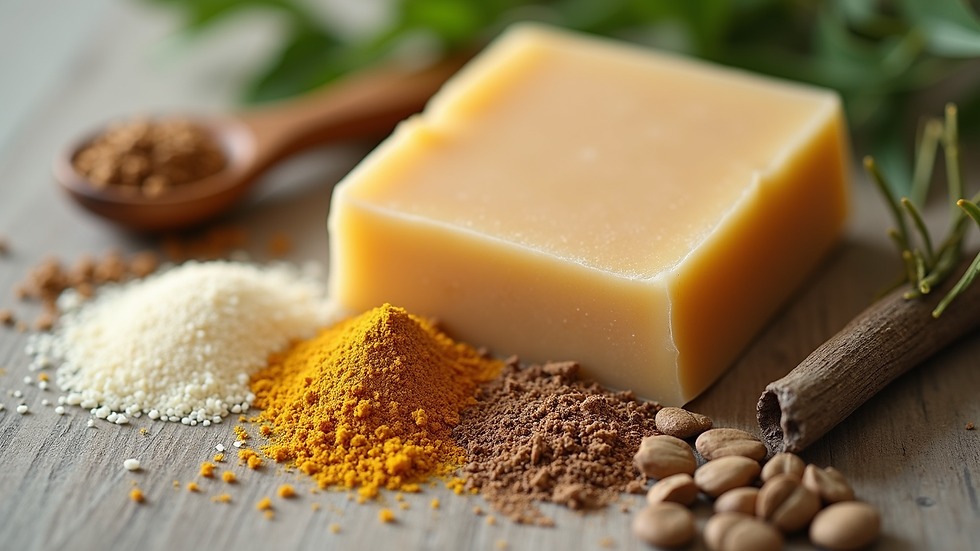
Clays and Botanicals: For color, texture, and added skin benefits.
Each ingredient is chosen not just for its function but for how it interacts with your skin. For example, lavender essential oil is calming and great for nighttime use, while peppermint invigorates and refreshes.
Tips for Choosing Artisan Soap
When picking artisan soap, look for:
Clear ingredient lists: Transparency is a sign of quality.
Natural scents: Avoid synthetic perfumes.
Visible texture and color: These often indicate natural additives.
Eco-friendly packaging: Minimal or recyclable materials.
Supporting brands that prioritize these factors helps promote a healthier planet and better skin care.
How to Use and Store Artisan Soap for Best Results
Using artisan soap is a delightful experience, but to get the most out of it, a little care goes a long way. Here’s how I recommend using and storing your soap:
Use a soap dish with drainage: This keeps the soap dry between uses, extending its life.
Avoid letting it sit in water: Constant moisture softens the soap and makes it dissolve faster.
Cut large bars into smaller pieces: This helps the soap dry faster and lasts longer.
Store unused soap in a cool, dry place: Keep it away from direct sunlight and humidity.
Rotate your soaps: Using different bars allows each to dry fully between uses.
Artisan soaps often have a higher glycerin content, which is great for your skin but also means they can be softer than commercial bars. Treat them gently, and they’ll reward you with luxurious lather and skin-loving benefits.
Why Artisan Soap is a Gift to Yourself and the Planet
Choosing artisan soap is more than a personal indulgence—it’s a statement. It’s about embracing products that are kind to your skin and the environment. Artisan soaps are biodegradable, free from harmful chemicals, and often packaged with sustainability in mind.
By supporting small-batch makers, you’re helping preserve traditional crafts and encouraging ethical business practices. Plus, the unique scents and textures make every shower feel like a spa moment. It’s self-care that feels good inside and out.
If you’re ready to make the switch, start by exploring local markets or trusted online shops that specialize in handmade soaps. You’ll find a world of scents, colors, and textures waiting to brighten your daily routine.
Crafting artisan soap is truly an art form that combines nature, science, and creativity. Whether you’re a seasoned soap lover or just curious about what makes these bars so special, I hope this guide has inspired you to appreciate the craft behind every sudsy bar. Remember, every time you choose artisan soap, you’re choosing quality, sustainability, and a little bit of magic in your daily routine. Happy soaping!


Comments